How Waterproofing Helps Protect Commercial and Condominium Buildings
A Practical Look at Building Envelope Waterproofing in a Wet, Humid Climate
6 min read
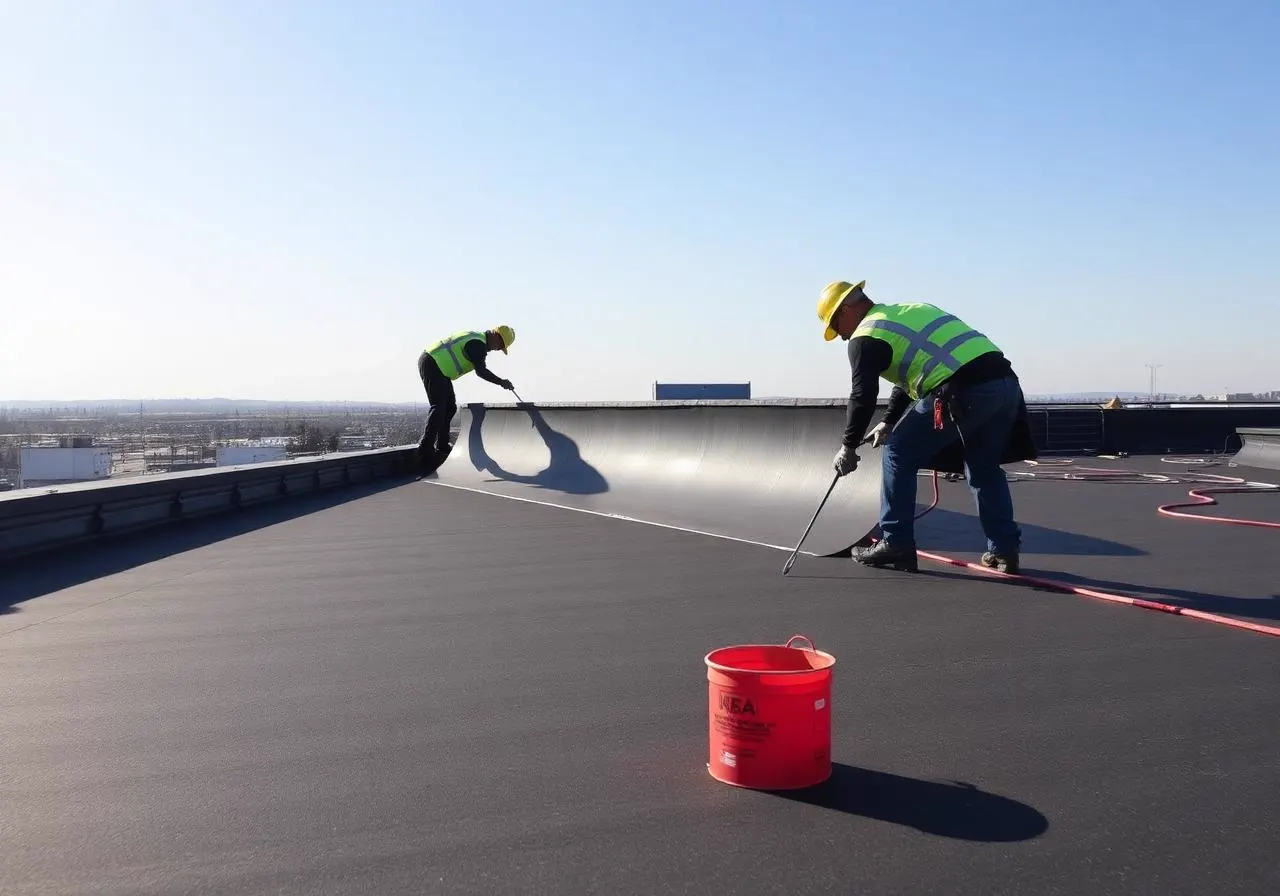
Waterproofing is not cosmetic. In South Florida it is the system that keeps chlorides and moisture away from structural concrete — and it needs maintenance like any other building system.
Waterproofing Is Structural Protection, Not Decoration
It is easy to view exterior coatings and sealants as a cosmetic line item. In practice, the waterproofing system is the primary defense that keeps water and dissolved chlorides out of the concrete and away from the reinforcing steel. When that defense fails, deterioration accelerates quietly inside the structure long before anything shows on the surface.
That is why waterproofing and concrete restoration are usually planned together. Repairing spalled concrete without restoring the envelope leaves the same water path in place; recoating over unsound concrete traps the problem underneath.
The Main Components of a Building Envelope
Wall coatings — typically elastomeric or high-performance acrylic systems — shed wind-driven rain while allowing some vapor movement. Their flexibility lets them bridge hairline cracks that would otherwise channel water inward.
Sealant joints at windows, doors, control joints, and dissimilar-material transitions are among the shortest-lived components of any building. Sealant becomes brittle under UV exposure and loses adhesion, and a failed joint can admit significant water during a single storm.
Horizontal deck systems on balconies, walkways, and plaza decks take the hardest wear. They must resist standing water and foot traffic while remaining bonded to the substrate. Parking structures add vehicle traffic, turning movements, and oil exposure, which is why traffic-bearing membranes are specified there.
Below-grade and planter waterproofing, expansion joint systems, and roof-to-wall terminations round out the assembly. A weakness in any one of these lets water bypass everything else.
Common Symptoms of a Failing Envelope
Interior symptoms are often noticed first: stains on ceilings or around window heads, musty odors, bubbling paint on interior walls, or repeated complaints from the same stack of units after heavy rain.
Exterior symptoms include chalking or fading coatings, cracked or detached sealant joints, ponding water on decks, efflorescence at wall bases, and rust staining at railing embeds — the same signal that concrete deterioration may already be underway.
Diagnosing Leaks Correctly
Water rarely enters where it appears. It travels along framing, deck slopes, and utility penetrations before showing itself, which is why chasing stains without a survey leads to repeat repairs. A structured investigation looks at the whole elevation: joint condition, coating adhesion, deck slope and drainage, window perimeters, and penetrations.
Where the source is unclear, controlled water testing of specific assemblies isolates the actual path. Documenting that path before repair is what separates a durable fix from a temporary one.
Treating Waterproofing as a Maintenance Cycle
Every component of an envelope has a service life. Sealants and deck coatings generally need attention well before wall coatings do, and all of them age faster on oceanfront and high-exposure elevations. Buildings that inspect joints and decks on a regular cycle and re-coat on schedule tend to face smaller structural repair scopes later.
For associations, that predictability matters as much as the protection itself. Planned envelope maintenance can be budgeted through reserves; emergency water intrusion and the concrete damage that follows usually cannot.
Related Restoration Services
Service Areas
We provide building restoration in Fort Lauderdale, Miami, Boca Raton, West Palm Beach and communities across South Florida.